Contact for Negotiation Skills Training for your Teams: contact@advanchainge.com | +91-9873829286

The Art of Negotiation Jujitsu: Turning Conflict into Collaboration
Master the art of negotiation jujitsu to handle aggressive tactics, reframe objections, and turn high-pressure negotiation conflicts into productive collaboration.
CONFLICT RESOLUTIONNEGOTIATION STRATEGIESDIFFICULT NEGOTIATIONSNEGOTIATION SKILLSART OF NEGOTIATIONNEGOTIATION POWERSNEGOTIATION TACTICS
Ashish Mendiratta
12/17/20246 min read
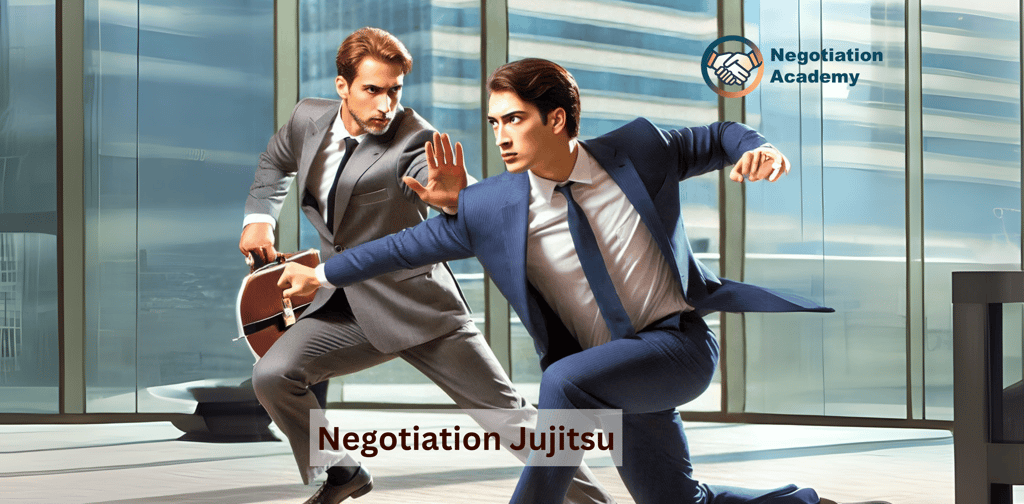
Negotiation is often seen as a battle—a clash of wills, strategies, and personalities. But what if it were more like Jujitsu, the martial art that uses an opponent’s energy against them? Picture this: an aggressive supplier rejecting your price target outright, a colleague raising their voice during a heated discussion, or a vendor making an unreasonable demand. These scenarios can trigger a natural instinct to push back, argue, or defend. However, reacting impulsively often escalates conflicts, entrenching both sides in their positions and derailing constructive dialogue. Strong negotiation skills require resisting this instinct and choosing a more deliberate, strategic response.
In my three decades of negotiating procurement deals across industries and continents, I’ve come to appreciate the subtle art of negotiation jujitsu. This approach isn’t about overpowering your counterpart; it’s about redirecting their momentum, understanding their perspective, and achieving a win-win outcome. Let me take you through my journey and share how this technique has shaped my negotiations.


Understanding Negotiation Jujitsu
Negotiation jujitsu is grounded in three principles:
Redirecting Energy: Instead of meeting resistance with resistance, you deflect and guide the conversation.
Leveraging Opponent’s Strength: You use the other party’s arguments to build a collaborative solution.
Maintaining Balance: You avoid emotional escalation and focus on problem-solving.
These principles are rarely mastered through theory alone; they are core capabilities developed through deliberate negotiation skills training and real-world practice.
I’ve learned these principles not from textbooks but from countless hours at the negotiating table. Here are some vivid examples to illustrate how negotiation jujitsu works in practice.
Deflecting Aggression with Questions
Early in my career, I faced a particularly aggressive supplier during a price negotiation. He stormed into the room, insisting that his costs had risen drastically and that no discounts were possible. Instead of countering his aggression with defensiveness, I leaned into jujitsu.
“These are important concerns,” I said. “Can you walk me through the specific cost drivers you’re facing right now?”
This question caught him off guard. Instead of continuing his tirade, he explained how raw material prices and shipping costs had surged. By inviting him to articulate his issues, I defused his aggression and opened a constructive dialogue.
We ultimately negotiated a dynamic pricing model linked to commodity indices, ensuring his costs were covered while providing me with transparency and control. The lesson? A well-placed question can transform an adversary into a collaborator.
This is a classic example of advanced negotiation skills—using inquiry instead of argument to regain control.
Using “What If” Scenarios to Redirect Resistance
In one memorable case, I was negotiating long-term contracts for critical components with a global supplier. They rejected my request for volume discounts, claiming that their production costs didn’t allow for such flexibility.
Instead of pushing back, I shifted tactics. “What if we committed to a higher annual volume with guaranteed forecasts?” I asked. “Could that enable you to optimize production and pass on savings?”
This “what-if” scenario flipped the script. The supplier’s team shifted from resisting my proposal to brainstorming ways to align their production with our needs. By reframing the conversation around possibilities, I turned their resistance into a shared problem-solving exercise.
Effective negotiation skills training often emphasizes these reframing techniques to move discussions from positions to possibilities.
Reframing Objections as Opportunities
Another example comes from a vendor negotiation where I proposed extending payment terms to 90 days. The supplier pushed back, claiming it would strain their cash flow.
Rather than arguing, I acknowledged their concern. “Cash flow is critical,” I said. “What if we structured an early payment program with a small discount for invoices paid within 30 days or explore channel financing?”
This reframing allowed us to shift the discussion from rigid terms to mutually beneficial flexibility. The supplier agreed, and we implemented a solution that improved their liquidity while reducing my procurement costs. What seemed like an insurmountable objection turned into a decisive win. This ability to convert resistance into value creation is a hallmark of strong negotiation skills.
The Power of Silence
Negotiation jujitsu isn’t just about what you say; it’s also about what you don’t say. I’ll never forget a supplier negotiation where the other party demanded an immediate 20% price increase, citing global market volatility.
Instead of immediately responding, I stayed silent. The pause created a palpable tension. After a few moments, the supplier began backtracking. “Of course, we’re open to discussing phased increases or other solutions,” they added nervously.
By resisting the urge to fill the silence, I allowed them to rethink their position and soften their stance. Silence can be a powerful tool to create space for reflection and recalibration. Advanced negotiation skills training often highlights silence as a deliberate tactic—not a sign of weakness.
Emotional Jujitsu: Managing Escalation
During a multi-million-dollar negotiation with a logistics service provider, tensions ran high. One of their executives accused my team of being unreasonable, claiming we were undervaluing their services.
Instead of reacting defensively, I acknowledged his frustration. “I hear you,” I said calmly. “Let’s take a step back and focus on the value you’re bringing to the table. What elements of the proposal do you feel are misaligned?”
This simple acknowledgment diffused his anger and shifted the focus back to problem-solving. We spent the next hour revisiting the value proposition and ultimately reached an agreement. Emotional intelligence is a critical aspect of negotiation jujitsu; it’s about staying calm and redirecting emotions toward constructive outcomes. Emotional control is one of the most underestimated yet critical negotiation skills.
Lessons from Negotiation Jujitsu
Reflecting on these experiences, several key lessons stand out:
Stay Curious: Genuine curiosity about the other party’s perspective can open doors to creative solutions.
Think Beyond “Yes” and “No”: The best outcomes often lie in the grey areas between positions.
Control the Tempo: By slowing down or speeding up the pace, you can guide the conversation.
Collaborate, Don’t Confront: Collaboration builds trust and long-term relationships.
Master the Pause: Silence isn’t just golden; it’s strategic.
These are not innate traits—they are practical negotiation skills that can be learned, practiced, and refined.
Applying Negotiation Jujitsu in Modern Business
Today’s business landscape is more complex than ever. As industries globalize and digitize, negotiation jujitsu has become even more relevant. Here are some modern applications:
Cross-Cultural Negotiations: Different cultures have different negotiation styles. Jujitsu helps navigate these nuances by focusing on shared goals rather than conflicting tactics.
Tech-Driven Deals: In technology contracts, where terms are often opaque, redirecting discussions toward transparency and mutual benefit can prevent misunderstandings.
Sustainability Discussions: Many companies now prioritize ESG (environmental, social, and governance) goals. Jujitsu can align these objectives with commercial interests.
In my three decades of negotiating procurement deals across industries and continents, I’ve come to appreciate the subtle art of negotiation jujitsu. This approach isn’t about overpowering your counterpart; it’s about redirecting their momentum, understanding their perspective, and achieving a win-win outcome.
For leaders serious about strengthening their negotiation skills, this mindset shift is transformative—and central to modern negotiation skills training.

Conclusion
Negotiation jujitsu is more than a strategy; it’s a mindset. It’s about seeing negotiation as a dance, not a duel. By redirecting energy, leveraging strengths, and maintaining balance, you can transform even the toughest negotiations into opportunities for collaboration.
As I reflect on my career, I’m grateful for the lessons this approach has taught me—not just about negotiation, but about human interaction. The next time you’re at the negotiating table, remember: sometimes, the best way to win is not to fight, but to flow.
Frequently Asked Questions
1. What is negotiation jujitsu?
Negotiation jujitsu is a strategic approach that focuses on redirecting resistance, reframing objections, and using the other party’s momentum to create collaborative, win-win outcomes rather than escalating conflict.
2. How is negotiation jujitsu different from traditional negotiation tactics?
Traditional tactics often rely on pressure, persuasion, or positional bargaining. Negotiation jujitsu emphasizes curiosity, reframing, emotional control, and problem-solving instead of confrontation.
3. Is negotiation jujitsu a soft negotiation style?
No. While it avoids aggression, negotiation jujitsu is highly strategic. It strengthens your position by improving clarity, uncovering value, and influencing outcomes without damaging relationships.
4. Can negotiation jujitsu be learned through negotiation skills training?
Yes. While experience helps, structured negotiation skills training accelerates learning by teaching techniques like reframing, silence, emotional regulation, and “what-if” questioning.
5. What negotiation skills are required to practice negotiation jujitsu effectively?
Key skills include active listening, emotional intelligence, questioning techniques, reframing objections, managing silence, and controlling negotiation tempo.
6. When should negotiation jujitsu be used?
Negotiation jujitsu is most effective in high-stakes, emotionally charged, or long-term relationship negotiations—such as supplier contracts, leadership discussions, and cross-functional conflicts.
7. How does negotiation jujitsu support win-win outcomes?
By shifting discussions away from rigid positions and toward shared interests, negotiation jujitsu expands the solution space—allowing both sides to achieve meaningful value.
Subscribe
Contact:
P2/54 DLF Phase 2 Gurugram 122002
contact@advanchainge.com
+91-9873829286
deepak.nande@advanchainge.com
+91-9820291969